
A side hustle doesn't have to be complicated. But it does have to be focused.
Most people fail at side hustles because they try to do everything at once. They start a YouTube channel, launch a freelance service, build a digital product, and run a TikTok account. All in month one. All with no focus.
This system is different. It's built on a single principle: pick one skill, one offer, and one channel. Master that. Then expand.
The side hustle trap (and how to avoid it)
You've seen the posts: "Make $5,000/month with TikTok." "Start a dropshipping store in 48 hours." "Freelance your way to freedom."
They're all real. But they're also all different. And if you try all of them at once, you'll fail at all of them.
The problem isn't the opportunities. It's that most people try to do everything.
One side hustle takes 10–15 hours/week to get traction
Two side hustles take 20–30 hours/week and you'll do both badly
Three side hustles = burnout in 6 weeks
This post is about doing one thing really well.

Spreading yourself across too many side hustles is the fastest way to fail at all of them.
The side hustles that actually work in 2026
Here are the realistic options — with honest timelines, effort, and income potential:
1) Content Creation (YouTube, TikTok, Blog)
Why it works: You build an audience, then monetise (ads, sponsorships, affiliate links)
Why people quit: Takes longer than expected, algorithm changes, burnout
2) Freelancing (Upwork, Fiverr, direct clients)
Why it works: You sell your time/skills directly, get paid fast
Why people quit: Exhausting, hard to scale, always trading time for money
3) Digital Products (templates, courses, e-books)
Why it works: You create once, sell many times
Why people quit: Takes time to build, requires marketing skills, slow initial sales
4) E-commerce (Shopify, Etsy, print-on-demand)
Why it works: You sell physical or digital products
Why people quit: Inventory costs, shipping headaches, competition, low margins
5) Gig Economy (Uber, TaskRabbit, dog walking, tutoring)
Why it works: Easy to start, flexible schedule, instant payouts
Why people quit: Low pay per hour, exhausting, no scalability
6) Affiliate Marketing
Why it works: You recommend products, earn commission on sales
Why people quit: Requires audience or traffic, slow to build, low conversion rates
How to pick YOUR side hustle (the decision framework)
Don't pick based on "what makes the most money." Pick based on your situation.
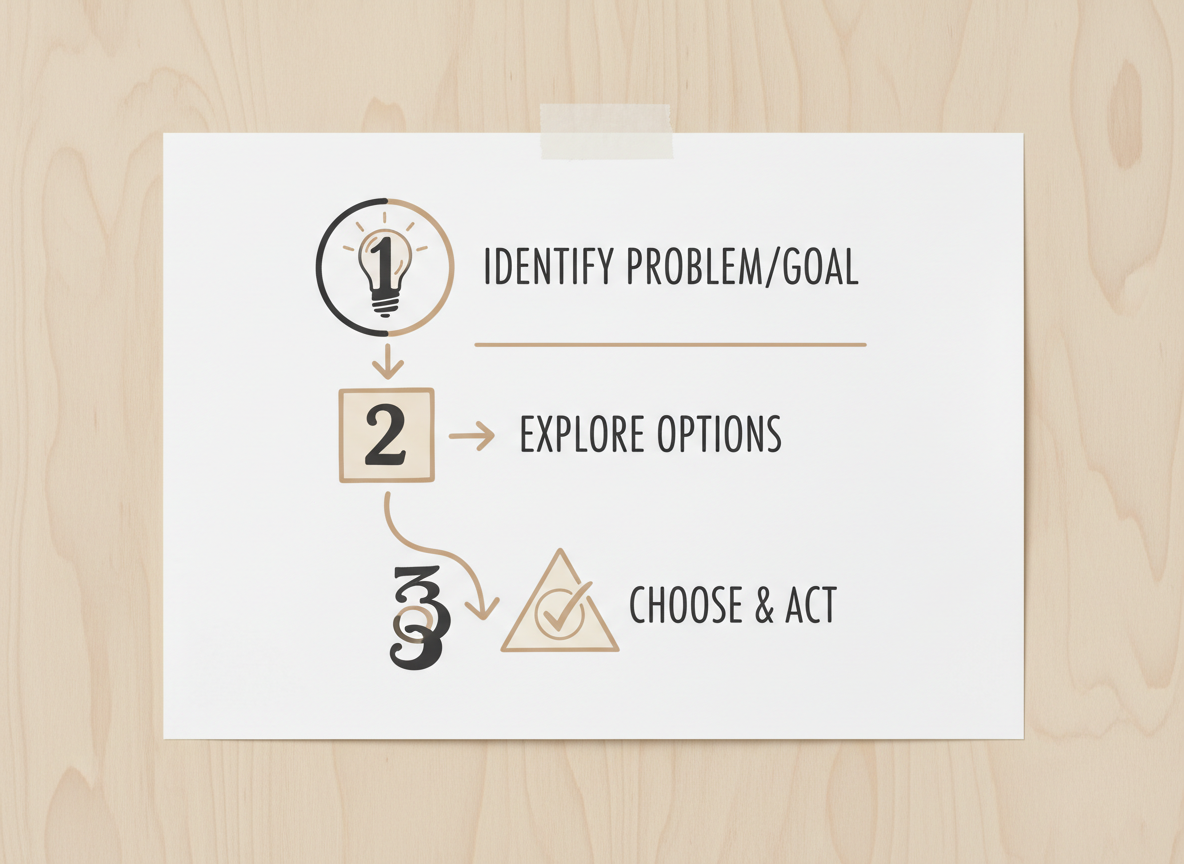
A simple framework cuts through the noise. Answer four questions and your path becomes clear.
1) What can you start THIS WEEK?
2) What matches your current skills?
3) What can you sustain for 6 months?
4) What's your timeline?
The "One Skill, One Offer, One Channel" system
Once you've picked, commit to this:
Pick ONE thing you're going to get good at: Writing, Design, Video editing, Sales, Social media, Teaching, Building. Don't try to learn 5 things at once.
Pick ONE thing you're going to sell/create: One course, One service, One product, One type of content, One affiliate niche. Don't launch 10 products in month one.
Pick ONE place you're going to focus: One social platform (TikTok, YouTube, Instagram), One freelance platform (Upwork, Fiverr), One marketplace (Etsy, Shopify), One audience (email list, blog). Don't spread yourself across 5 platforms.

Master one thing. Then expand. That's the entire system.
Example:
Skill: Writing
Offer: Blog posts about productivity (for small businesses)
Channel: LinkedIn
That's it. Master that. Then expand.
"The affiliate who masters one traffic source will always outperform the one who dabbles in five."
The realistic timeline (what to expect)
Here's what a realistic timeline looks like when you commit to 10–15 hours per week:
Mindset: "This is new, I'm figuring it out"
What you're doing: Set up, learn the basics, make your first offer
Mindset: "This is working, but slowly"
What you're doing: Getting traction, first sales/income, refining your offer
Mindset: "This is becoming real"
What you're doing: Building momentum, consistent income, repeat customers
Mindset: "This is now a real side business"
What you're doing: Scaling, systematizing, increasing income
"Real talk: Most people quit in month 2 because they expected month 6 results. Don't be that person."

Plan your side hustle time like a real commitment. Block it in your calendar and protect it.
The weekly tracking system (measure what matters)
Every week, track:
Hours spent: How much time did you actually put in?
Income earned: How much did you make?
£ per hour: Divide income by hours
What changed: What did you try? What worked? What didn't?
Example:
Track this in a simple spreadsheet. It keeps you motivated and helps you see progress.
Common mistakes (and how to avoid them)
Most side hustles fail for the same reasons. Here's how to avoid them:
Mistake: Starting too many side hustles at once
Result: You're overwhelmed, nothing gets traction, you quit.
Fix: Pick ONE. Master it for 6 months. Then add another.
Mistake: Expecting fast money
Result: You quit in month 2 when you're not making $5,000/month.
Fix: Expect 3–6 months before meaningful income. Plan accordingly.
Mistake: Not tracking time and money
Result: You don't know if you're actually making progress.
Fix: Use the weekly tracking system above. It takes 5 minutes.
Mistake: Copying someone else's side hustle
Result: You're not passionate about it, so you quit.
Fix: Pick something that fits YOUR skills, schedule, and interests.
Mistake: Treating it like a hobby
Result: You spend 2 hours/week and wonder why you're not making money.
Fix: Commit to 10–15 hours/week for 6 months. Treat it like a real business.
Your action plan (start this week)
You don't need to do everything at once. Here's a simple habit-building plan:
Pick ONE side hustle from the list above. Decide: skill, offer, channel. Spend 2 hours researching how to start.
Set up (account, website, profile, whatever you need). Create your first offer. Tell 5 people about it.
Refine based on feedback. Make your first sale (even if it's $10). Start the weekly tracking system.
Double down on what's working. Ignore what isn't. Keep tracking.

Track your progress weekly. The compound curve only becomes visible when you zoom out.
The real reason most side hustles fail
It's not because the idea is bad. It's not because the market is saturated. It's because people quit too early.
You're competing against people who quit in week 2. If you stick around for month 3, you're already ahead of 80% of people who tried.
Pick one. Commit for 6 months. Track your progress. You'll be surprised where you end up.
"A week from now, you'll wish you had started today. So start today. The compound effect begins the moment you publish your first piece of content."
Disclosure: This article may contain affiliate links. If you purchase through them, we may earn a commission at no extra cost to you.